Archives
- 2026-04
- 2026-03
- 2026-02
- 2026-01
- 2025-12
- 2025-11
- 2025-10
- 2025-09
- 2025-03
- 2025-02
- 2025-01
- 2024-12
- 2024-11
- 2024-10
- 2024-09
- 2024-08
- 2024-07
- 2024-06
- 2024-05
- 2024-04
- 2024-03
- 2024-02
- 2024-01
- 2023-12
- 2023-11
- 2023-10
- 2023-09
- 2023-08
- 2023-07
- 2023-06
- 2023-05
- 2023-04
- 2023-03
- 2023-02
- 2023-01
- 2022-12
- 2022-11
- 2022-10
- 2022-09
- 2022-08
- 2022-07
- 2022-06
- 2022-05
- 2022-04
- 2022-03
- 2022-02
- 2022-01
- 2021-12
- 2021-11
- 2021-10
- 2021-09
- 2021-08
- 2021-07
- 2021-06
- 2021-05
- 2021-04
- 2021-03
- 2021-02
- 2021-01
- 2020-12
- 2020-11
- 2020-10
- 2020-09
- 2020-08
- 2020-07
- 2020-06
- 2020-05
- 2020-04
- 2020-03
- 2020-02
- 2020-01
- 2019-12
- 2019-11
- 2019-10
- 2019-09
- 2019-08
- 2018-07
-
Interestingly selective ETA blockade increased cutaneous blo
2019-11-27
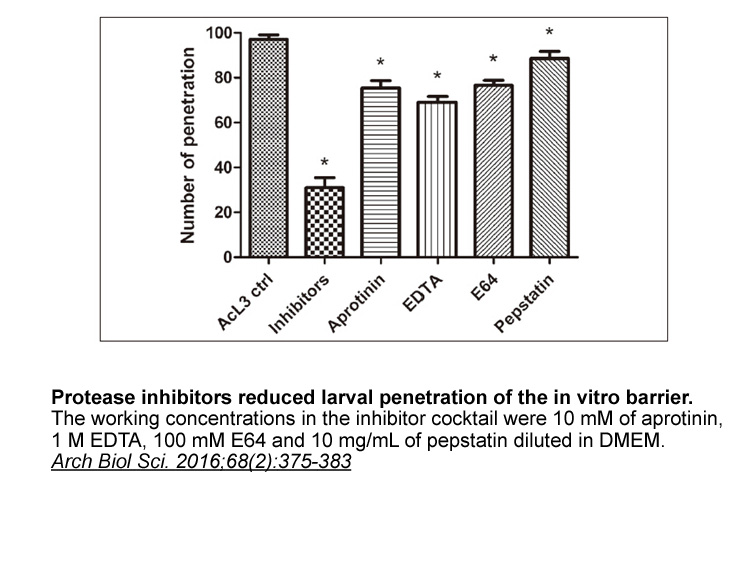
Interestingly, selective ETA blockade increased cutaneous blood flow as measured by laser Doppler fluxmetry. This is a measure of total blood flow in the different vessels in the skin including venules, GSK2292767 as well as arterioles. This finding is in accordance with the previous demonstration
-
br Materials and methods br Results
2019-11-27
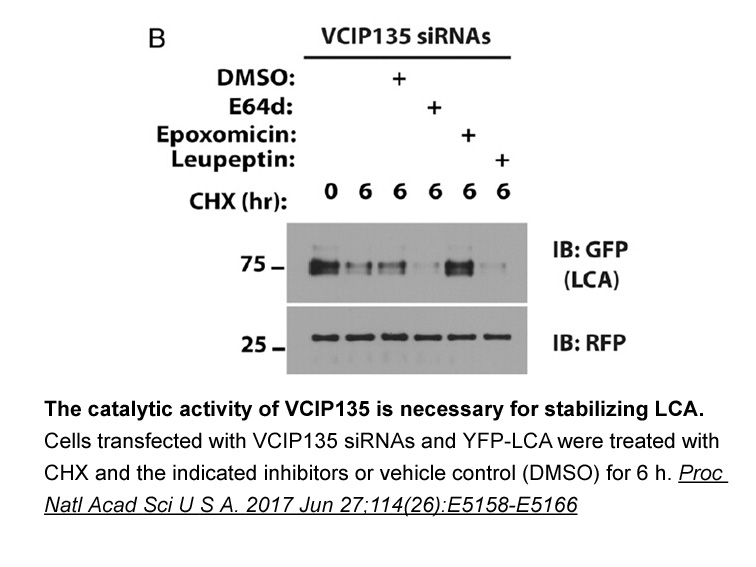
Materials and methods Results Discussion We have evaluated the breast cancer prevention potential of PR blockade under conditions that included exposure to progestogens that are relevant to women (progesterone and MPA) and are known to differ in their receptor-binding and down-stream effect
-
There is a considerable molecular genetic heterogeneity with
2019-11-27
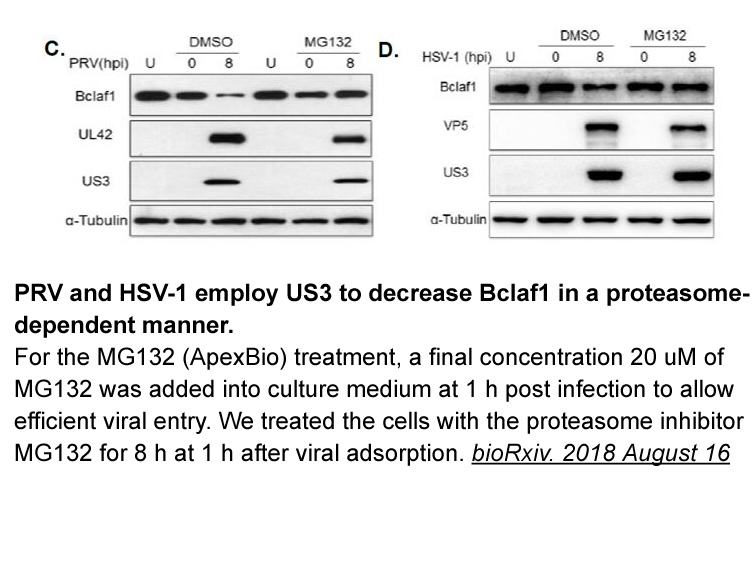
There is a considerable molecular genetic heterogeneity within ES/PNET. As mentioned above, either or can rearrange with in these gene fusions. Furthermore, for either gene fusion, additional heterogeneity stems from the location of the genomic breakpoints of the translocation, resulting in diffe
-
br Acknowledgments br Significance The mechanisms underlying
2019-11-27
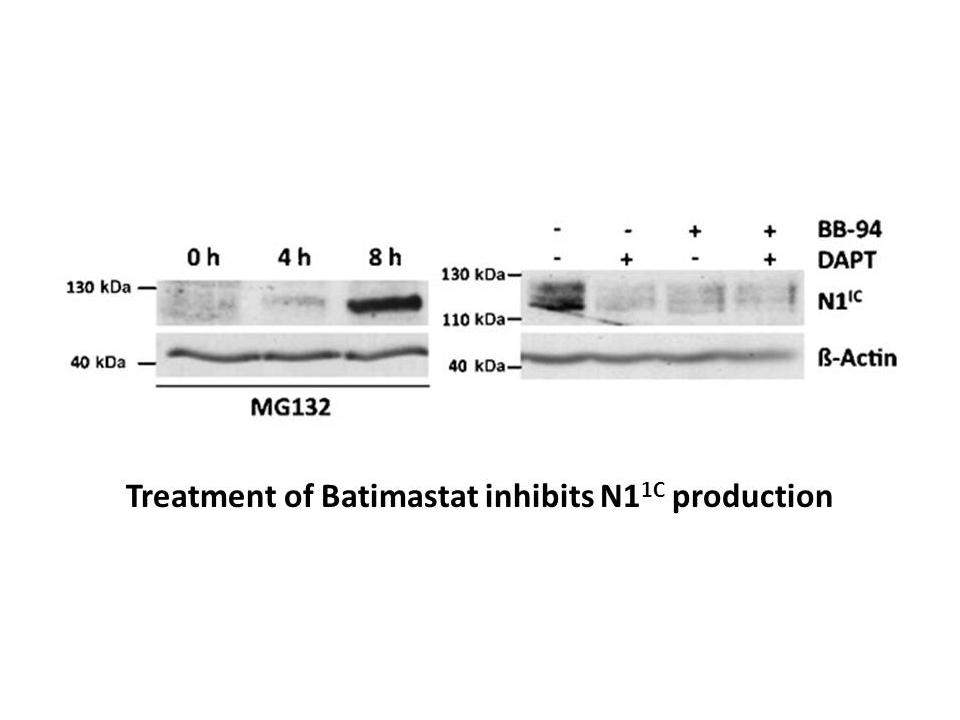
Acknowledgments Significance The mechanisms underlying the adverse effects of Epo-stimulating agents on the reduced survival of cancer patients are not well understood. Here, we identified EphB4 as an alternative Epo receptor, which triggers Src/Stat3 signaling via EphB4. We also showed that r
-
br Clinical potential of ET receptor biased ligands Is
2019-11-27

Clinical potential of ET receptor biased ligands Is there a clinical need for ET receptor biased ligands? Evidence is strongest from research in epithelial ovarian cancer demonstrating that ET-1 stimulated ETA-mediated β-arrestin signalling leads to activation of the oncogenic mediator NF-κB [21]
-
The imaging and biochemical data presented here
2019-11-27
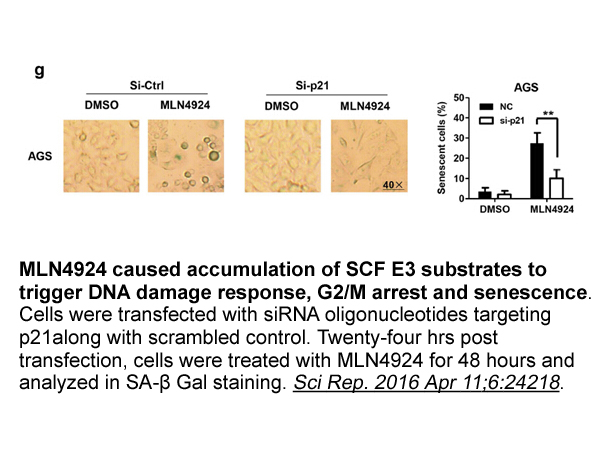
The imaging and biochemical data presented here demonstrated that in T cells, AEP played a specific function in cleaving Foxp3 but not Tbet. These results are in accordance with previous AEP studies where it has been shown that AEP substrates in part are not amenable to other protease activity. In a
-
ApoE is secreted from astrocytes glia into the interstitial
2019-11-27
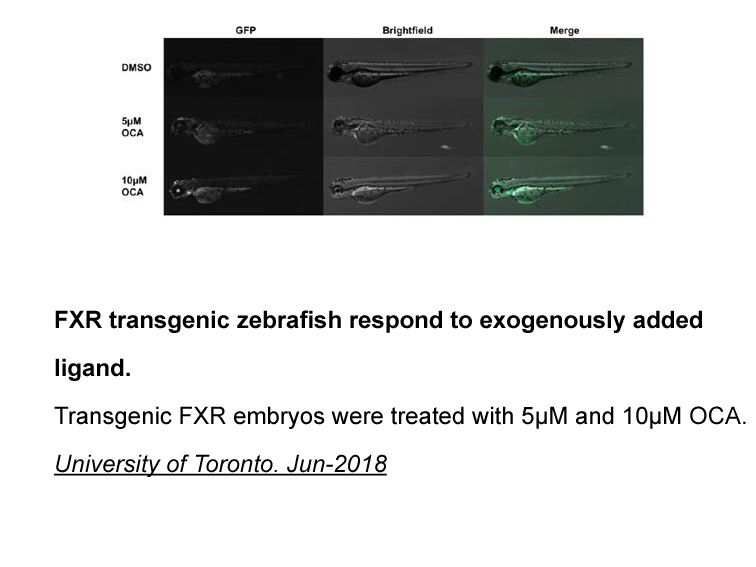
ApoE is secreted from astrocytes/glia into the interstitial fluid and is important for metabolizing Aβ because of its propensity for binding Aβ as a cholesterol and phospholipid acceptor in reverse cholesterol transport [8]. Aβ oligomers show a direct toxicity to neurons, and ApoE inhibits oligomer
-
br Concluding remarks and prospective Cardiac proteinopathy
2019-11-27

Concluding remarks and prospective Cardiac proteinopathy, a more common disease condition and more frequent cause of cardiomyocyte decay than previously thought, is largely neglected and no effective therapy exists yet. Protein quality control and protein degradation via autophagy or the ubiquiti
-
br Experimental Procedure br Acknowledgment This
2019-11-27
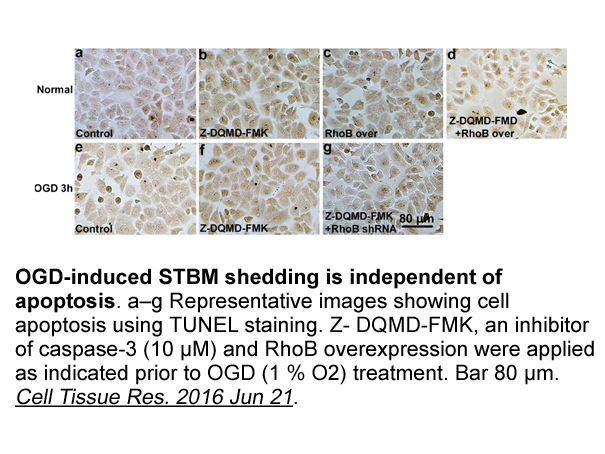
Experimental Procedure Acknowledgment This work was supported by Ministry of Education, Singapore (MoE Tier-2) grant (R-154-000-625-112) and R154-000-A72-114 (AcRF Tier 1 grant) respectively. We acknowledge the Advanced Photon Source Beamline 24-ID-C, Argonne National Laboratory, USA. D.N. is
-
In all available E E structures the
2019-11-27
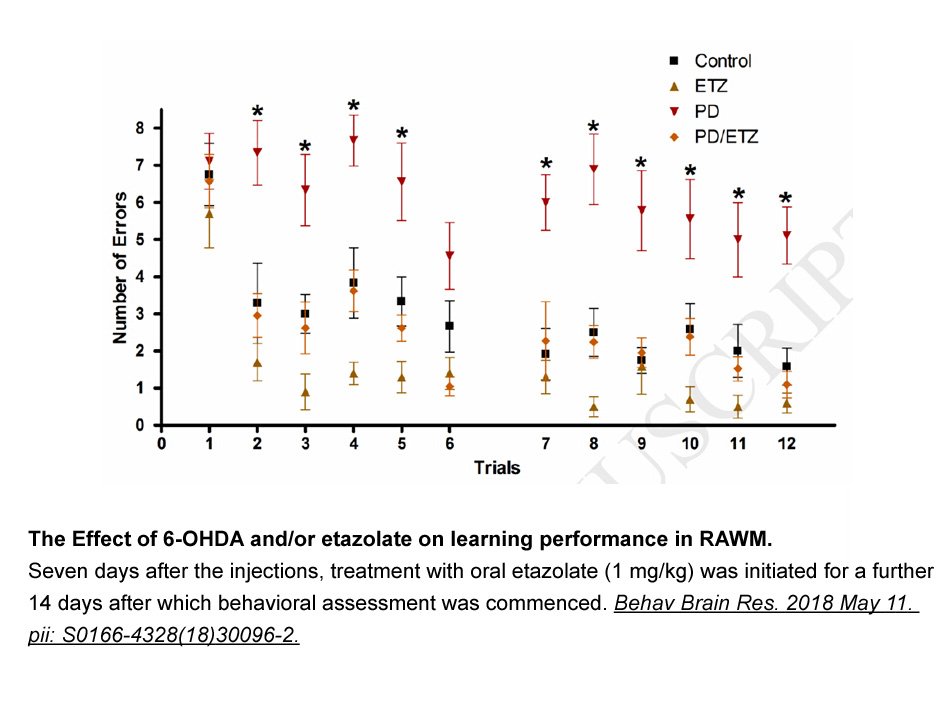
In all available E2:E3 structures, the RING-type domain binds the E2 on a surface that is remote from the active site Cys (and therefore from the ubiquitin thioester) (Fig. 2). The non-contiguous E3-binding and active sites on the E2 imply that the role played by a RING to facilitate ubiquitin trans
-
Concholepas concholepas our model species for this study is
2019-11-27
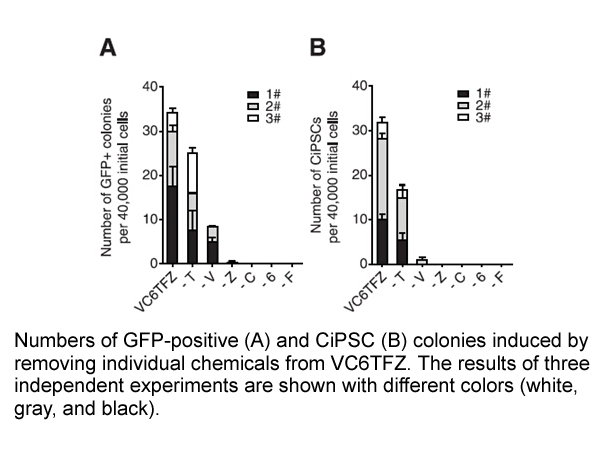
Concholepas concholepas, our model species for this study, is a marine gastropod found along the Chilean coast that has become commercially important [25], [26], [27]. Until now, the main focus of immunology related to C. concholepas is the production of a novel hemocyanin that has been useful for t
-
Several authors have been pursuing the aim of
2019-11-27
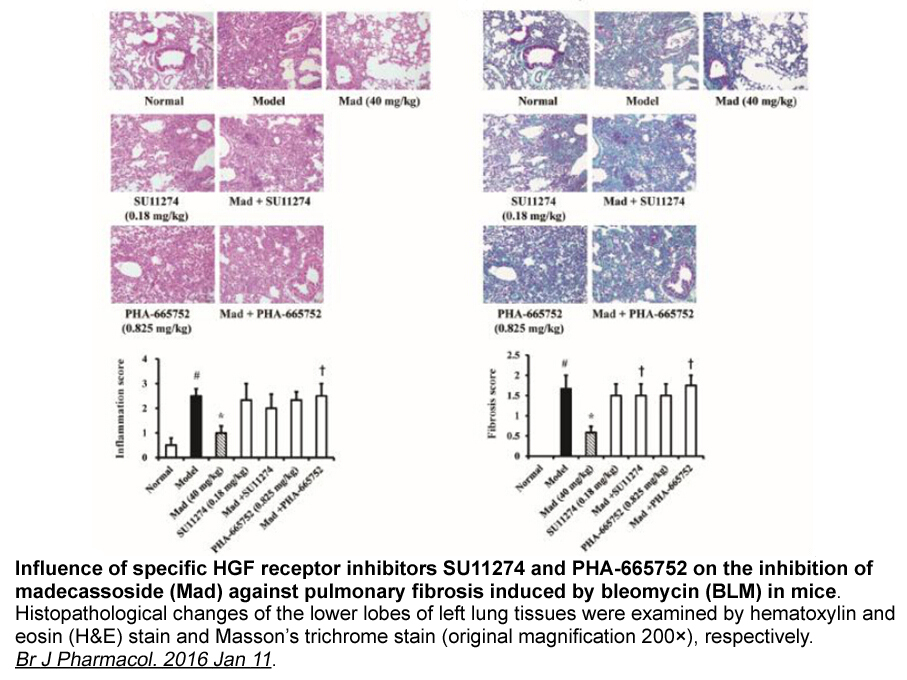
Several authors have been pursuing the aim of finding good performing organic solvent compatible adsorbers useful in the context of API purification [[10], [11], [12], [13], 22, 23]. For sulfonate GTIs, scavenging nucleophilic resins [22, 23] or molecular imprinted polymers (MIPs) [10] have been exp
-
A number of immune relevant genes have been
2019-11-27
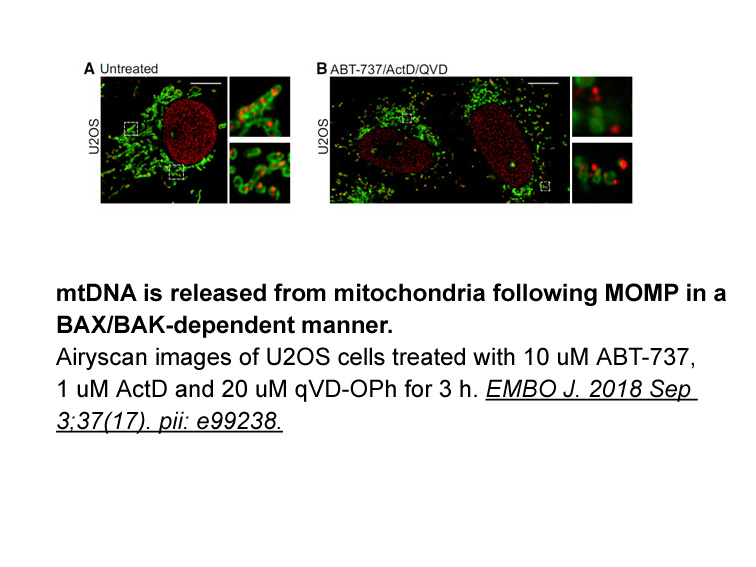
A number of immune-relevant genes have been studied to explore the immunologic mechanisms in large yellow croakers; however, the chemokine receptor CXCR family has never been studied in this organism. Chemokines are a large superfamily of chemotactic cytokines that are utilized to direct the traffic
-
Indeed the alkyl group is not seen in the
2019-11-26
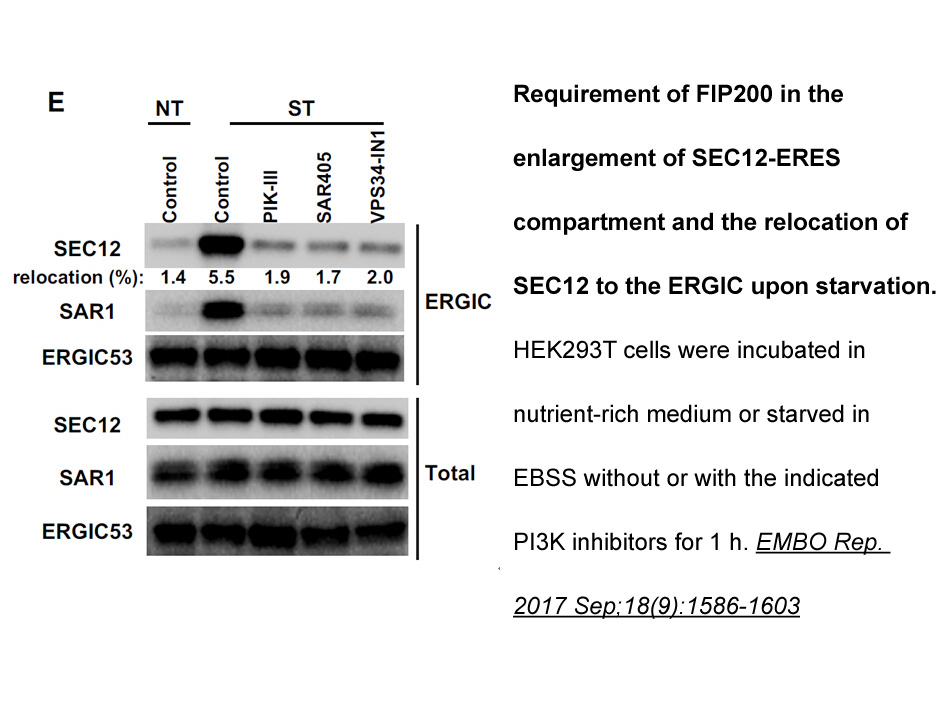
Indeed, the -alkyl group is not seen in the original crystallographic electron density omit map prior to positioning either inhibitor in DHODH, nor can it be found in the final maps. Rather, the electron density maps are consistent with hydrolysis of the amide to the acid. Once the scaffold was clea
-
Besides by substrate and product KSTDs may also be
2019-11-26
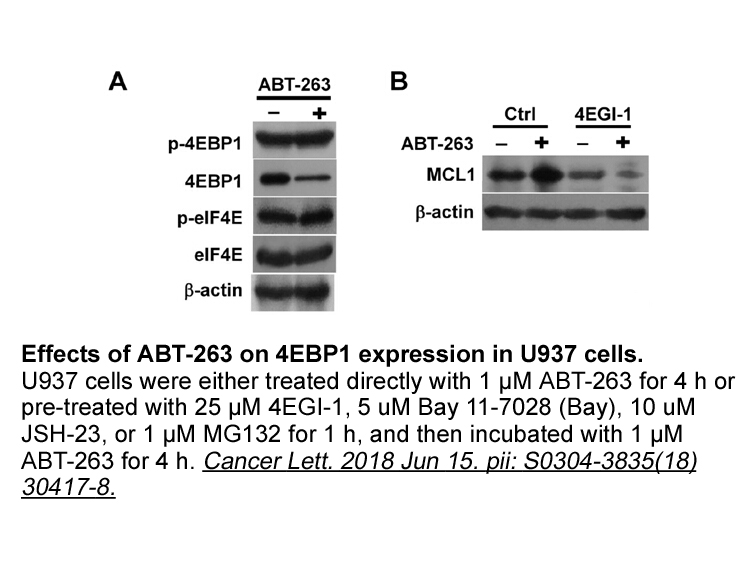
Besides by substrate and product, Δ1-KSTDs may also be inhibited by other steroids. N. simplex ATCC 6946 Δ1-KSTD was strongly inhibited non-competitively by dicortinone (60), a steroidal dimer, and by bis-1-dehydrodicortinone, with values of 0.7 and 0.75 μM, respectively. This enzyme was also inhib
14740 records 939/983 page Previous Next First page 上5页 936937938939940 下5页 Last page